
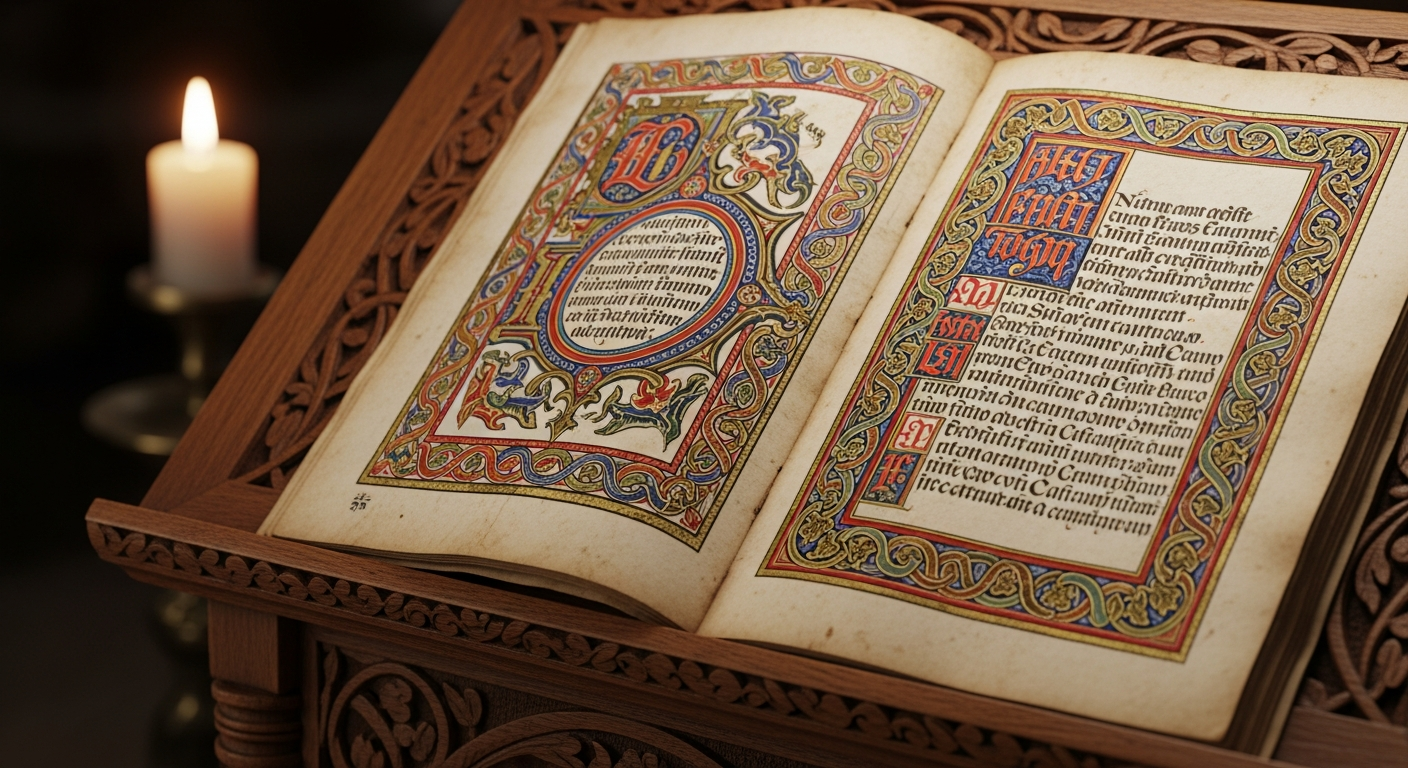
The Eye of the Prophet is a posthumous collection assembled from Kahlil Gibran’s unpublished manuscripts, letters, and fragmentary writings after his death in 1931. First compiled and published in the mid-twentieth century (with various editions appearing under slightly different arrangements), the book gathers Gibran’s reflections on civilization, art, human nature, and the spiritual dimension of everyday life.
Unlike the carefully structured Prophet or the focused parables of The Madman, The Eye of the Prophet reads as a collection of fragments and meditations — pieces of a larger vision that Gibran did not live to complete. This gives the book a quality of intimacy and immediacy that his more polished works sometimes lack.
What the Book Contains
The Eye of the Prophet draws from multiple sources in Gibran’s papers, organized thematically rather than chronologically. The major subjects include:
On Civilization and Progress
Gibran writes about the tension between material progress and spiritual development — a concern that feels more urgent today than when he wrote it. He argues that civilizations advance technologically while often regressing morally, building ever more sophisticated means of destruction while failing to develop the inner qualities that would make such means unnecessary.
“Civilization began with a human being, and it will end when a human being speaks the truth,” he writes. This compression — an entire critique of history in a single sentence — is characteristic of his style at its sharpest.
On Art and the Artist
As both a visual artist and a writer, Gibran had a distinctive perspective on creativity. He saw art not as decoration or entertainment but as a form of prophecy — the artist’s role is to see what others cannot yet see and to give it form.
His reflections on the creative process are remarkably honest about its difficulty. Art, in Gibran’s view, demands everything from the creator — not just skill but truth. A beautiful work built on a false feeling is worse than an ugly work built on a genuine one.

On Human Nature
Gibran’s observations on human nature in this collection carry the authority of a writer who spent his career studying people — both in his adopted New York and in the Lebanese community he never stopped belonging to. He writes about generosity and selfishness, courage and cowardice, love and fear, with a nuance that avoids simple moralizing.
His recurring insight is that opposites coexist within every person. The generous person carries seeds of selfishness; the coward contains potential courage. This refusal to divide humanity into saints and sinners connects to his treatment of good and evil in Sand and Foam and The Prophet.
On the Spirit and the Divine
The spiritual passages in The Eye of the Prophet reflect Gibran’s lifelong project of bridging religious traditions. Drawing on the Maronite Christianity of his upbringing, the Sufism he encountered through his reading, and the broader mystical tradition, he writes about the divine not as a distant authority but as an intimate presence — the ground of all experience.
These passages often read as prayers or meditations rather than arguments. They do not try to prove God’s existence; they assume it, and explore what that assumption means for how a person should live.
The Question of Authenticity
Posthumous collections always raise questions about editorial decisions. The Eye of the Prophet was assembled by editors working from Gibran’s papers — selecting, arranging, and sometimes translating material that Gibran himself had not prepared for publication.
This means the book should be read differently from works Gibran published during his lifetime. The prose may not have received his final revision. The arrangement reflects editorial judgment, not authorial intent. Some passages may represent early drafts or abandoned directions rather than settled positions.
None of this diminishes the value of the material. It simply means the reader encounters Gibran in a more unguarded state — thinking aloud rather than delivering finished teachings. For readers who already know The Prophet and want to understand the mind behind it, this informality is a gift.
Where This Book Fits
The Eye of the Prophet is not a starting point for Gibran. It is a deepening — a book for readers who have already encountered The Prophet, The Madman, and perhaps Sand and Foam, and who want to understand Gibran’s thinking on subjects his published works touch only lightly.
It pairs well with Gibran’s biography, as many of the reflections connect directly to events and relationships in his life. It also complements Visions of the Prophet, another posthumous compilation that draws from similar source material.
For a complete guide to Gibran’s published and posthumous works, see books by Kahlil Gibran.
Frequently Asked Questions
What is The Eye of the Prophet about?
A posthumous collection of Gibran’s unpublished writings on civilization, art, human nature, and spirituality. It gathers fragments, meditations, and reflections from his papers, offering a more intimate and unguarded view of his thinking than his carefully published works.
Is The Eye of the Prophet the same as The Prophet?
No. The Prophet (1923) is Gibran’s masterwork — a structured collection of 26 prose poems published during his lifetime. The Eye of the Prophet is a posthumous compilation assembled from his unpublished papers after his death in 1931. They share thematic concerns but are distinct works.
Should I read The Eye of the Prophet?
If you have already read and connected with The Prophet, The Madman, or Sand and Foam, The Eye of the Prophet offers valuable additional depth. It is not the best introduction to Gibran — start with The Prophet for that.
Who compiled The Eye of the Prophet?
The book was assembled by editors working from Gibran’s papers after his death. Various editions have appeared with slightly different arrangements and selections. The material is authentically Gibran’s, but the editorial arrangement and selection reflect posthumous decisions.
What are Gibran’s views on art in this book?
Gibran saw art as a form of prophecy — the artist’s role is to perceive truths that others cannot yet see and give them form. He valued authenticity over technical skill, arguing that a genuine but rough work is superior to a polished but insincere one. For more on Gibran’s creative philosophy, see our guide to his poems.