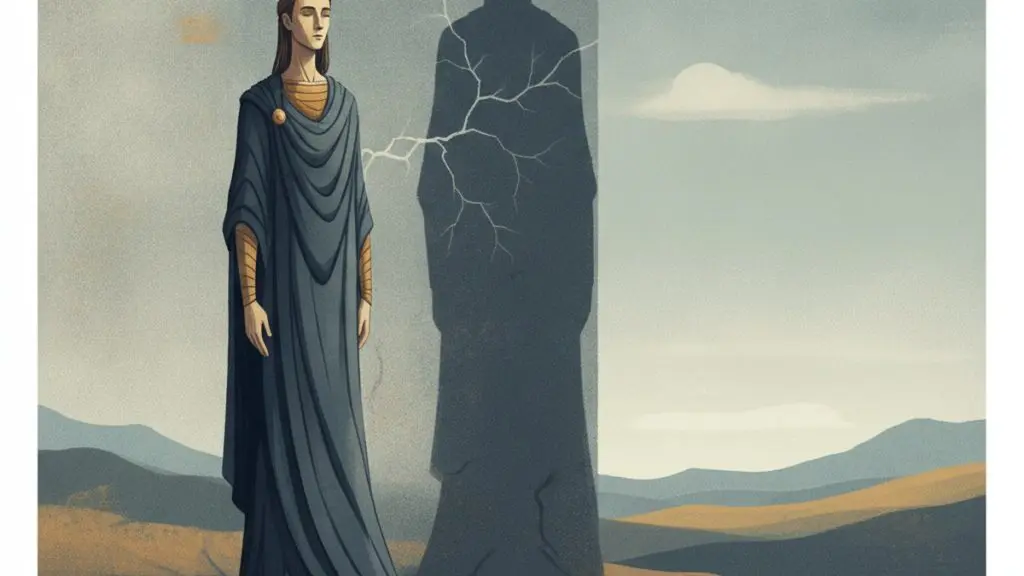
Superiority Complex: Signs, Causes & the Insecurity Beneath It
What a superiority complex is, its signs and causes, why it often masks inferiority, and how to work with it.

What a superiority complex is, its signs and causes, why it often masks inferiority, and how to work with it.

What an inferiority complex is, its signs and causes, how it differs from a superiority complex, and practical ways to overcome it.

Watch the 90-second version — the full story is below. The hero’s journey is a storytelling template identified by mythologist Joseph Campbell, who found that myths across the world share the same underlying pattern: a hero leaves the ordinary world, faces trials and transformation, and returns changed. Campbell called it the monomyth. The three acts … Read More

Watch the 90-second version — the full story is below. In Carl Jung’s psychology, the anima and animus are contrasexual archetypes: the anima is the unconscious feminine side within a man, and the animus is the unconscious masculine side within a woman. They are inner figures that shape how we relate to others — especially … Read More

Watch the 90-second version — the full story is below. Individuation is Carl Jung’s term for the lifelong process of becoming a whole, integrated person — bringing the unconscious and conscious parts of your psyche into relationship so you become who you truly are, rather than who you were told to be. What is individuation? … Read More

Watch the 90-second version — the full story is below. Synchronicity is Carl Jung’s term for a “meaningful coincidence” — two or more events that have no causal connection, yet line up in a way that feels deeply meaningful to the person experiencing them. Jung called it an “acausal connecting principle.” What does synchronicity mean? … Read More

Watch the 90-second version — the full story is below. Shadow work is the practice of becoming aware of your “shadow” — the parts of yourself you’ve repressed, denied, or hidden — and integrating them, so they stop controlling you unconsciously. The term comes from Carl Jung’s depth psychology. What is the shadow self? The … Read More
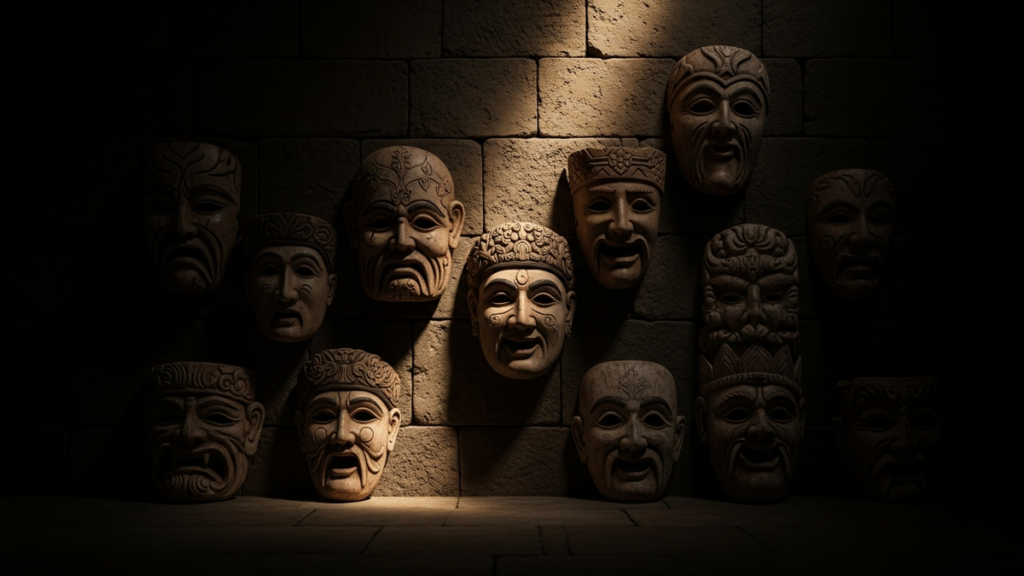
Watch the 90-second version — the full story is below. In short: Carl Jung’s archetypes are universal, inherited patterns in the “collective unconscious” that shape how we think, feel, and tell stories. Jung’s four foundational archetypes are the Self, the Shadow, the Anima/Animus, and the Persona; a popular later model expands these into twelve character … Read More

Watch the 90-second version — the full story is below. Strip Stoicism down to its foundation and you find four words: wisdom, courage, justice, and temperance. For the Stoics, these “cardinal virtues” were not lofty ideals but practical tools—the complete toolkit for handling anything life throws at you. Everything else in Stoic philosophy is, in … Read More

Watch the 90-second version — the full story is below. The most famous Stoic text in the world—Marcus Aurelius’ Meditations—was never meant to be read by anyone. It was a private journal, written by a Roman emperor to himself, late at night, as a way of staying sane and good under impossible pressure. That fact … Read More